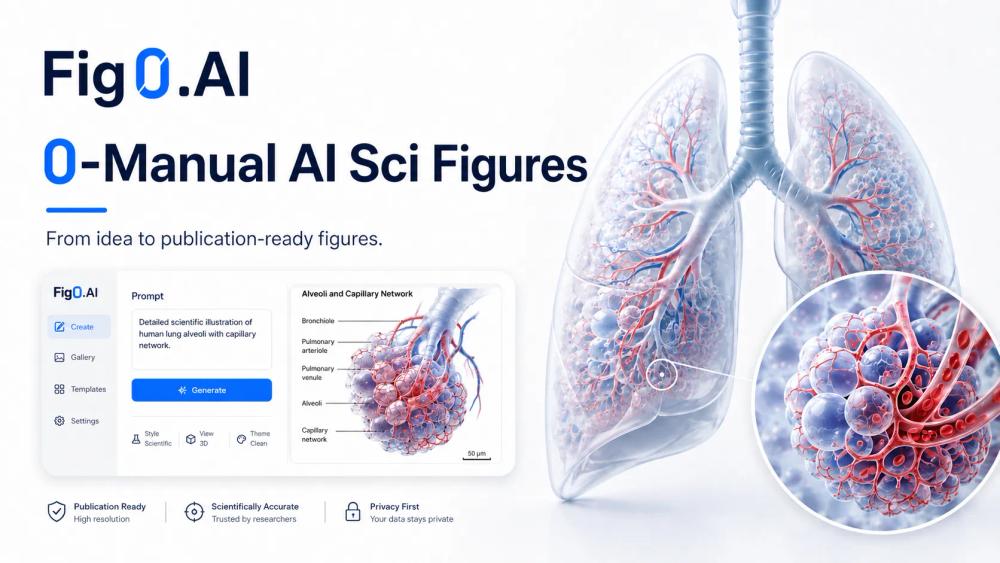
Fig0 is an innovative AI Scientific Figures Platform designed to revolutionize how researchers, publishers, and educators create scientific illustrations. It aims for "0 Manual Sci Figure" by transforming various inputs into publication-ready and editable vector illustrations, significantly reducing the time and effort traditionally spent on scientific drawing.
The platform supports a wide array of inputs, including text descriptions, rough sketches, visual references, PDFs, and photos. This flexibility allows users to start from any stage of their idea, from a simple prompt to an existing complex figure. Fig0 then processes these inputs to generate a strong first draft of a scientific figure, adhering to publication-aware styles and producing journal-grade initial outputs.
A core strength of Fig0 lies in its comprehensive refinement capabilities. After initial generation, figures remain fully editable within an infinite canvas environment. Users can meticulously adjust labels, refine specific regions, modify composition, and enhance details without needing to restart the entire process. This includes features like editable text, precision region refinement, and background cleanup with upscaling, ensuring that every aspect of the figure can be perfected.
For output, Fig0 offers versatile export options crucial for scientific workflows. It provides editable vector formats such as layered SVG, editable PPTX, and vectorized PDF, which are essential for collaborative work, journal submissions requiring editable files, and further modifications in downstream design tools. Additionally, it supports high-resolution bitmap outputs like PNG and 300/600 DPI TIFF, suitable for manuscript submission and print publications. This ensures that figures maintain their utility and quality throughout the entire research and publishing lifecycle, accommodating reviewer changes and last-mile polish efficiently. Fig0 is built to streamline the creation and revision of scientific visuals, making it an indispensable tool for academic and research communities.